
World News
The Legacy and Influence of The Decameron

Jul
1. The Historical Context of The Decameron
“The Decameron,” written by Giovanni Boccaccio, is a collection of 100 tales set during the Black Death in 14th-century Italy. The narrative framework involves ten young people who flee to a villa to escape the plague, where they entertain each other with stories. This setting provides a vivid backdrop to explore themes of love, tragedy, and human behavior under duress. The work captures the societal collapse and the moral complexities of the time, making it a crucial historical and literary document.

2. The Structure and Themes of The Decameron
The title “Decameron” derives from the Greek for “ten days,” reflecting the structure of the book, where each of the ten storytellers recounts a story each day. The tales range from comedic to tragic, exploring a wide spectrum of human emotions and experiences. The diversity of the stories, along with their satirical tone, offers a rich tapestry of medieval life and critiques societal norms, especially concerning class, religion, and gender roles. Boccaccio’s use of storytelling as a means of both escape and reflection is a central theme.
3. Boccaccio’s Life and Inspirations
Giovanni Boccaccio was born in Florence and lived through the Black Death, which profoundly influenced his writing. Witnessing the devastation and social upheaval of the plague, Boccaccio sought to document the human condition in his works. “The Decameron” serves as both a reflection on the fragility of life and a celebration of human resilience and ingenuity. His experiences and observations during this period are vividly captured in the tales, making the work an essential commentary on the era’s cultural and social landscape.
4. The Controversies and Censorship of The Decameron
Despite its literary significance, “The Decameron” faced significant censorship, especially from the Catholic Church, due to its candid exploration of sexuality and criticism of religious figures. The book was banned in various regions, including Italy and later the United States, where it was deemed inappropriate under the Comstock Act. The controversy surrounding its themes highlights the tensions between artistic expression and societal norms, as well as the changing attitudes towards censorship over time.
5. The Enduring Legacy of The Decameron
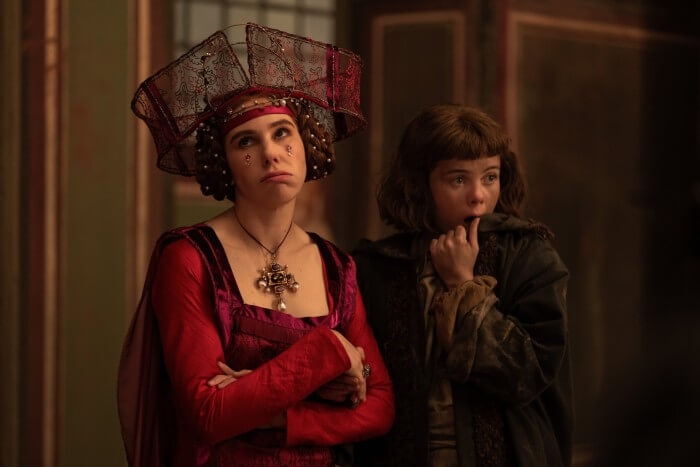
“The Decameron” remains a pivotal work in world literature, influencing countless writers and artists. Its exploration of human nature, combined with its innovative narrative structure, has made it a model for subsequent storytelling forms. The recent adaptation by Netflix, which infuses the classic tales with modern elements, demonstrates the enduring relevance of Boccaccio’s themes. The work’s blend of humor, pathos, and insight continues to resonate, offering valuable lessons on the resilience and folly of humanity.
From Haotees
