
World News
Morgan Wallen’s Abrupt ‘SNL’ Exit: 5 Key Moments That Sparked Controversy
May
The On-Air Exit That Sparked Nationwide Buzz
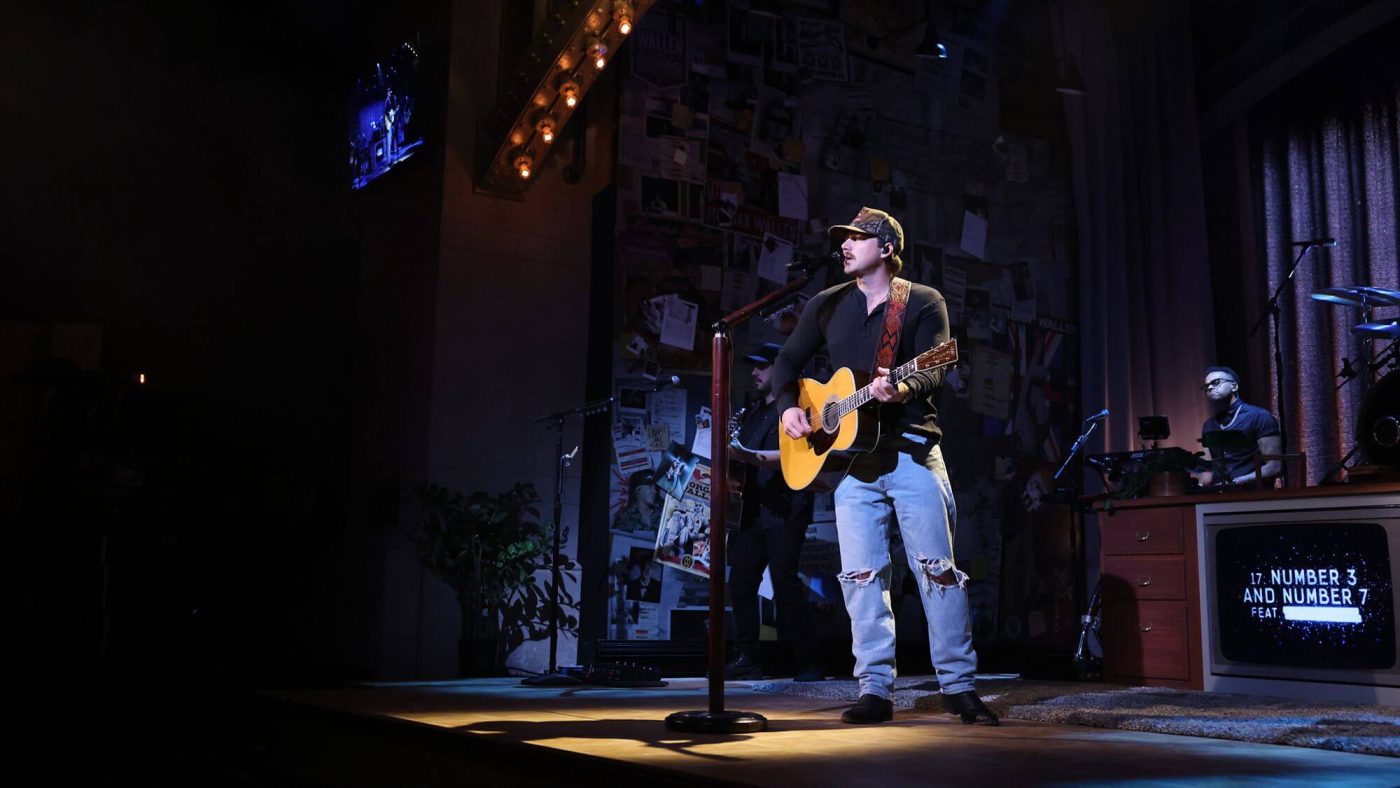
When Morgan Wallen walked onto the Saturday Night Live stage on March 29, 2025, to perform two songs from his new album I’m the Problem, fans expected a typical high-energy musical guest spot. Wallen, one of country music’s biggest modern stars, delivered those performances without a hitch. However, the real headline came minutes later—not during a performance, but at the show’s traditional “goodnights” closing segment.
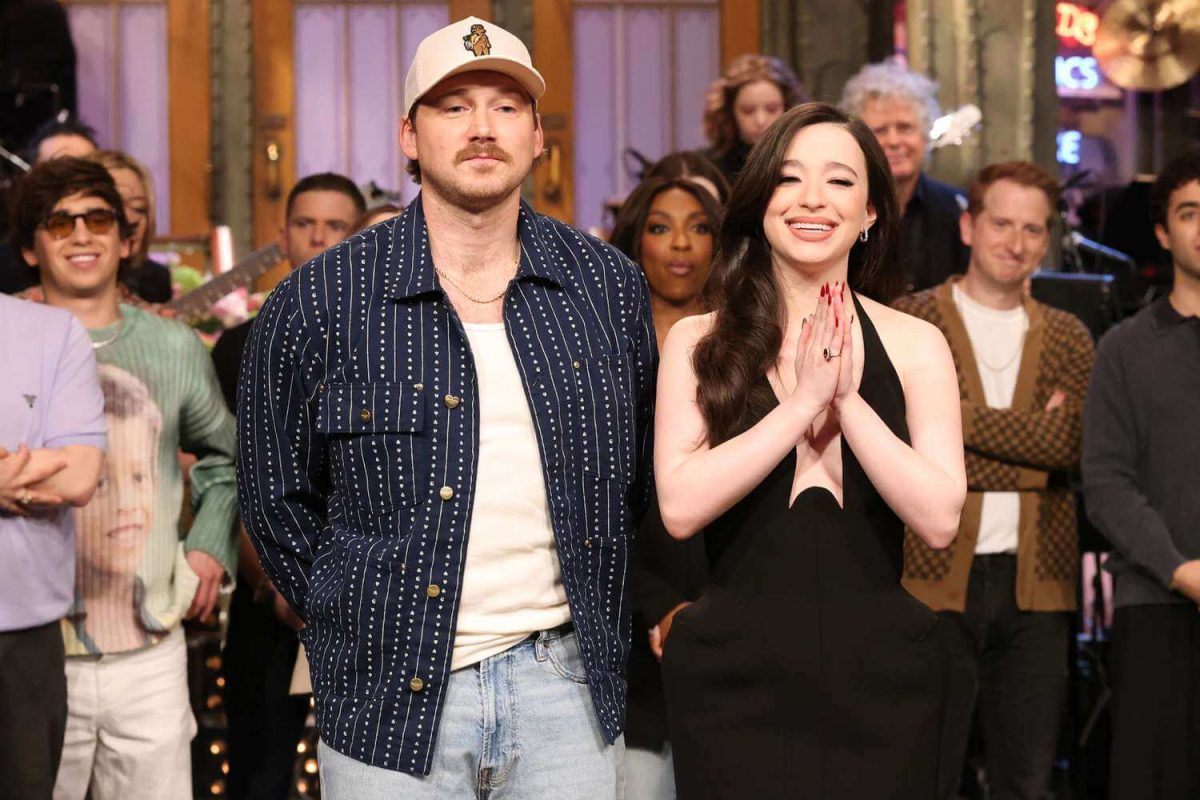
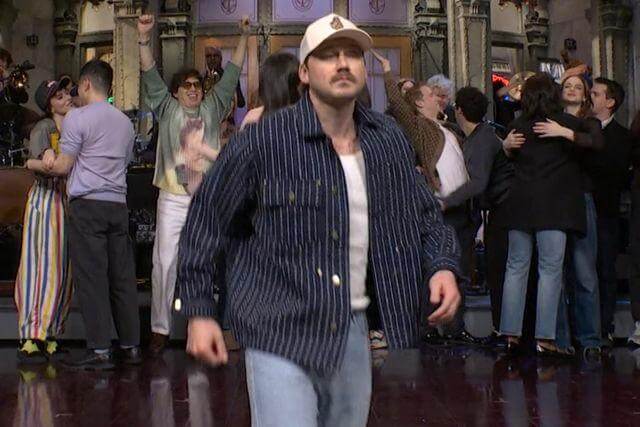
As host Mikey Madison and the cast gathered to wave and thank the audience, Wallen was seen whispering something to Madison before he abruptly exited the stage. It was subtle yet stark—he simply turned and walked off before the cameras cut. In a show known for camaraderie, group applause, and spontaneous moments during the credits, his absence was jarring. Fans immediately noticed. Social media lit up with confusion and concern. What happened? Was something wrong?
The incident quickly snowballed. Blogs speculated tensions behind the scenes, tabloid headlines hinted at “backstage drama,” and fans debated whether it was an intentional snub or a misunderstood gesture. What made it even more puzzling was how out of character the exit felt—Wallen has built a reputation for being laid-back and humorous, even poking fun at himself on SNL before.
This one, seemingly minor, live moment created a ripple effect that would soon turn into a full-blown controversy.
Instagram Ignites the Flame: “Get Me to God’s Country”
Within hours of leaving 30 Rockefeller Plaza, Wallen added fuel to the fire with a cryptic Instagram post. It featured a photo of a private jet with the caption: “Get me to God’s country.” The post was minimalist and visually striking—and it went viral almost instantly.
The caption left a wide margin for interpretation. Some fans viewed it as a simple, humorous statement reflecting his desire to return home to the countryside after a hectic week in New York. Others took it more seriously, interpreting it as a spiritual declaration or a subtle jab at SNL’s urban environment. A few even speculated that he felt out of place at the show, suggesting discomfort or dissatisfaction with how he was treated during the week of rehearsals.
Regardless of interpretation, the timing was key. Posting right after an already-unusual live exit made the image feel like a statement—whether intentional or not. Critics pointed to the post as “passive-aggressive” while supporters praised it as “authentically Morgan.” Either way, the ambiguity only intensified the buzz, turning what could have been a forgettable exit into a headline-dominating mystery.
Within hours, the phrase “Get me to God’s country” was trending on Twitter, with memes, think pieces, and TikToks dissecting Wallen’s supposed message. The controversy was officially in full swing.
The Truth Revealed on ‘Sundae Conversation’
With speculation reaching a fever pitch, Wallen decided to address the controversy head-on during a lighthearted appearance on the popular podcast Sundae Conversation with Caleb Pressley. Known for its humorous and awkward interview style, the podcast gave Wallen a low-pressure platform to explain his side of the story.
When Pressley asked about the viral moment, Wallen laughed and offered a surprisingly simple explanation: “I wasn’t mad at anybody. I was just ready to go home.” According to Wallen, he had spent the entire week in rehearsals for the show, and by the time the episode wrapped, he was simply exhausted and eager to return home to Tennessee.
He dismissed the rumors of a feud with the cast or crew, stating clearly that he had a great time and held no resentment. His casual tone and openness suggested that there really was no deeper story behind his actions—just good old-fashioned fatigue and homesickness.
Still, Wallen’s admission didn’t stop the controversy entirely. Some critics argued that walking off stage early still showed poor etiquette, regardless of the reason. Others felt that his honesty was refreshing, offering a rare moment of unfiltered humanity in an industry that often feels rehearsed.
One thing was clear: Wallen’s ability to both poke fun at himself and be transparent helped reduce the tension. The podcast appearance did not just clarify the facts—it re-humanized Wallen in the eyes of fans and critics alike.
When SNL Claps Back: Satire Meets Scandal
Saturday Night Live, true to its legacy, didn’t ignore the viral controversy. In the very next episode following Wallen’s appearance, the show leaned into its trademark satire. During the “Weekend Update” segment, co-host Colin Jost joked, “Money is leaving the stock market faster than Morgan Wallen at goodnights.” The line landed with a laugh and a wink, solidifying that the incident had entered cultural lore.
Later in the episode, the cold open featured a character delivering the now-infamous phrase: “Get me to God’s country, right?” Clearly, the writers had taken the moment and transformed it into comedic gold. SNL’s response was not malicious—it was lighthearted and poked fun at both Wallen and the whirlwind of speculation surrounding his exit.
For Wallen fans, this was seen as part of the fun. For SNL traditionalists, it was a playful reminder that every action on that stage—intentional or not—can and will be turned into a joke. The show’s self-aware commentary also suggested that, while unusual, Wallen’s actions were not serious enough to cause real friction.
This comedic reflection helped ease the situation. Rather than escalating the drama, SNL did what it does best: held up a mirror to the moment and made the world laugh.
Turning Buzz into Business: Merch and Mixed Reactions
Just when it seemed like the story had run its course, Morgan Wallen made one final move that reignited the conversation. He launched a line of merchandise featuring the phrase “Get me to God’s country.” The line included trucker hats and graphic tees, priced at around $45 each.
On one hand, this was marketing genius. Capitalizing on a viral moment is a savvy move in the age of influencer culture. The merchandise sold quickly, embraced by fans who viewed the phrase as a symbol of authenticity and rebellion. On the other hand, critics accused Wallen of commodifying controversy—turning an awkward live moment into a cash grab.
The merchandise also raised deeper questions about celebrity culture and accountability. Was this an example of a star “owning” the moment, or one of someone profiting off a moment that had already stirred confusion and speculation?
Wallen’s team remained quiet on the backlash. The products remained available for a limited time, further enhancing their status as collector’s items. Whether seen as controversial or clever, the merchandise ensured that Wallen’s SNL saga would linger longer in public memory.
In essence, Wallen transformed a potential PR misstep into a multi-platform media moment—complete with virality, humor, and profit.
From Haotees
