
World News
Blake Lively and Justin Baldoni: A Deep Dive Into Their Legal Battle
Jul
Introduction: The Legal Drama Unfolds
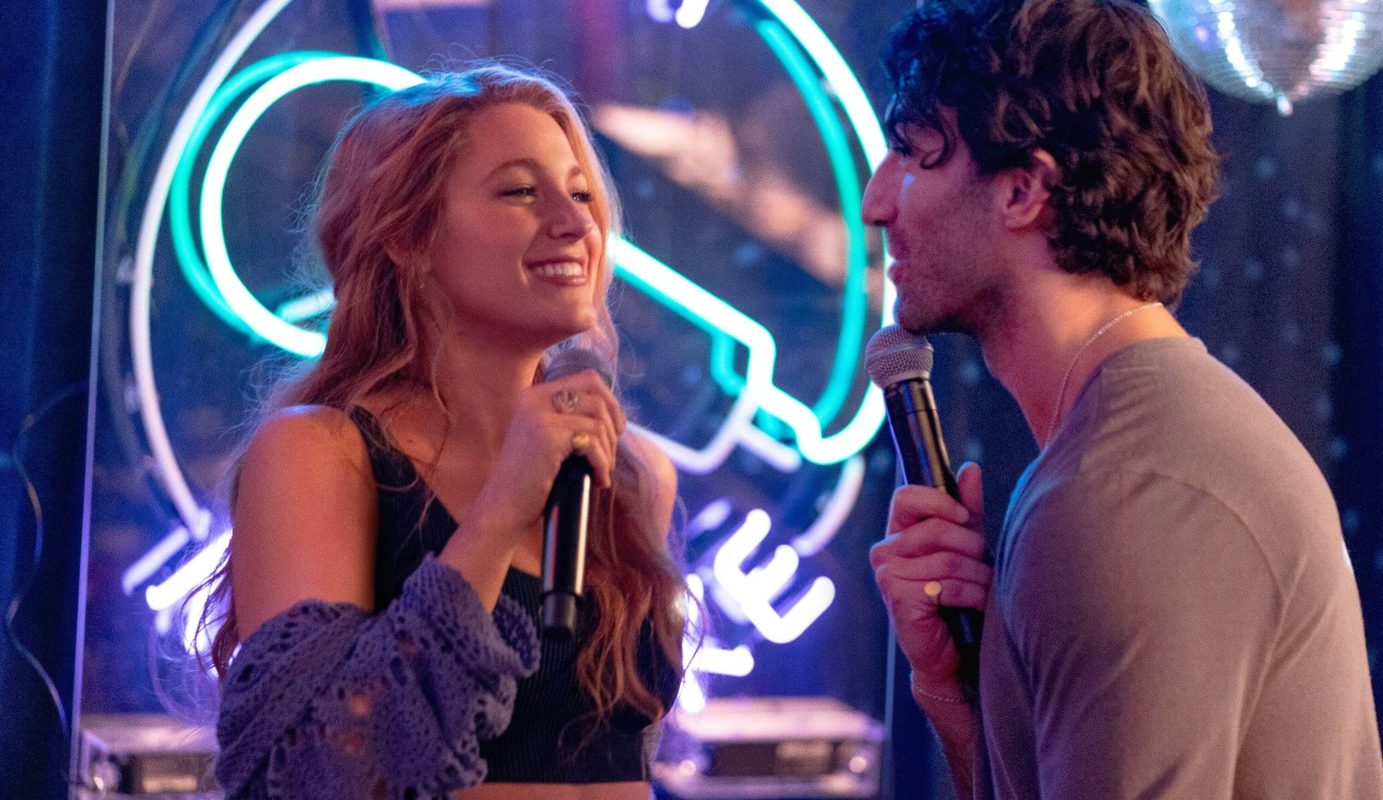
In December 2024, Hollywood was rocked by a legal dispute involving two of the industry’s most well-known names: actress Blake Lively and actor/producer Justin Baldoni. Their legal conflict, which centers on the 2024 film It Ends With Us, has made headlines for its shocking allegations and the ongoing back-and-forth between the two parties. The dispute, which spans accusations of sexual harassment, defamation, and retaliation, has quickly turned into one of the most talked-about legal battles in recent Hollywood history. Both Lively and Baldoni have fiercely defended their positions in public statements, and their legal teams have worked tirelessly to argue their cases in the courts.
This case has become a focal point for those interested in issues of harassment and power dynamics within the entertainment industry. With high-profile figures like Ryan Reynolds and Taylor Swift becoming unexpectedly involved, the dispute has only garnered more attention. As the case progresses, it continues to raise questions about how the industry handles harassment allegations and what it means for celebrities and public figures when they face accusations from their peers.
In this article, we will break down the timeline of events surrounding Blake Lively and Justin Baldoni’s legal battle, examining the key moments that have shaped the dispute and its broader implications. From the initial filing of the lawsuit to the media frenzy that followed, each stage of this case reveals a deeper layer of tension between the two stars.
The Initial Complaint: Blake Lively’s Allegations
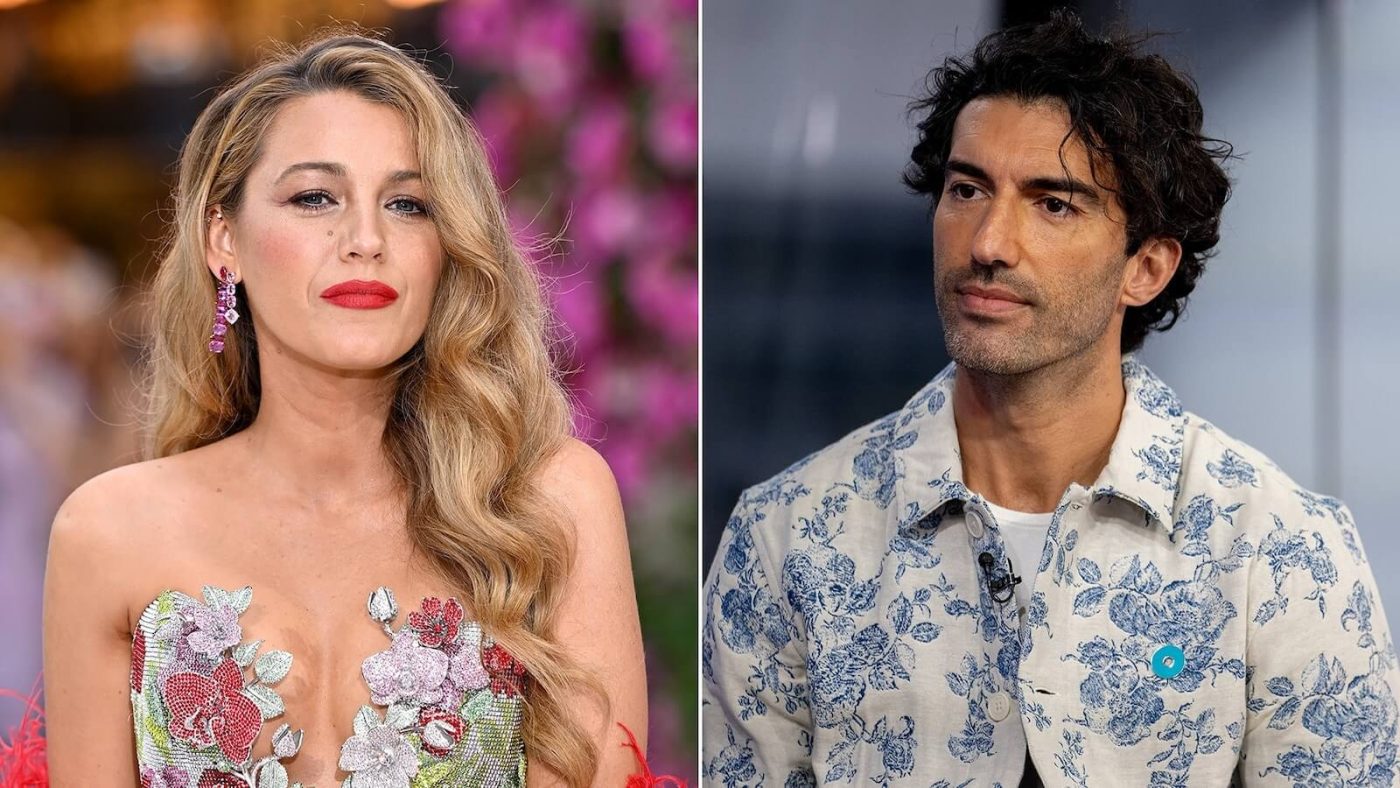
The saga began in December 2024, when Blake Lively filed a lawsuit against Justin Baldoni and his production company, Wayfarer Studios. The legal documents outlined allegations of sexual harassment that took place during the filming of It Ends With Us. Lively’s complaint described a series of incidents in which Baldoni’s behavior allegedly crossed professional boundaries. She accused Baldoni of creating a hostile work environment and of retaliation when she attempted to raise concerns about his actions.
The legal filing also included accusations that Baldoni had orchestrated a smear campaign against Lively, attempting to damage her reputation during the film’s promotional phase. Lively’s team argued that this was a clear attempt to discredit her and shift the blame for a difficult working relationship onto her. The actress emphasized that the harassment had negatively impacted her mental health, and she sought both compensation for damages and a public acknowledgment of the inappropriate behavior.
This lawsuit quickly became a flashpoint in Hollywood, as Lively, known for her roles in Gossip Girl and A Simple Favor, had a reputation for professionalism. Her allegations put the spotlight on the #MeToo movement and the ongoing struggles of women in the entertainment industry who must contend with inappropriate behavior from powerful figures. The lawsuit seemed to promise an intense legal battle, one that would potentially reshape the way harassment cases are handled in Hollywood.
The Response: Justin Baldoni’s Counterclaims
In early January 2025, Justin Baldoni responded to Lively’s lawsuit by filing a countersuit against her and her husband, actor Ryan Reynolds. Baldoni’s legal team accused Lively of defamation, claiming that she had fabricated the sexual harassment allegations to harm his career and reputation. The countersuit further alleged that Lively and Reynolds had worked together to orchestrate a smear campaign against Baldoni. The actor-producer argued that he was the victim of a concerted effort to ruin his personal and professional life, and he sought both monetary compensation and a retraction of Lively’s claims.
Baldoni’s legal team also filed claims of extortion, suggesting that Lively and her team had demanded large sums of money in exchange for dropping the harassment allegations. This response painted a very different picture of the situation, with Baldoni and his representatives painting Lively as the aggressor rather than the victim. The countersuit made waves in the media, with Baldoni himself giving interviews in which he defended his actions and suggested that the public was not being told the full story. He also emphasized that his production company and he had acted in good faith during the production of It Ends With Us, and that any allegations of misconduct were baseless.
The countersuit further complicated matters, as it suggested a deeply personal and professional rift between Lively and Baldoni that extended far beyond their roles in the film. The public’s perception of the dispute quickly evolved from a straightforward harassment case to one filled with intricate legal claims and personal attacks. The countersuit also raised questions about how power dynamics operate on film sets, and whether figures in positions of authority can be held accountable when they cross boundaries.
The Court Rulings: Developments in the Case
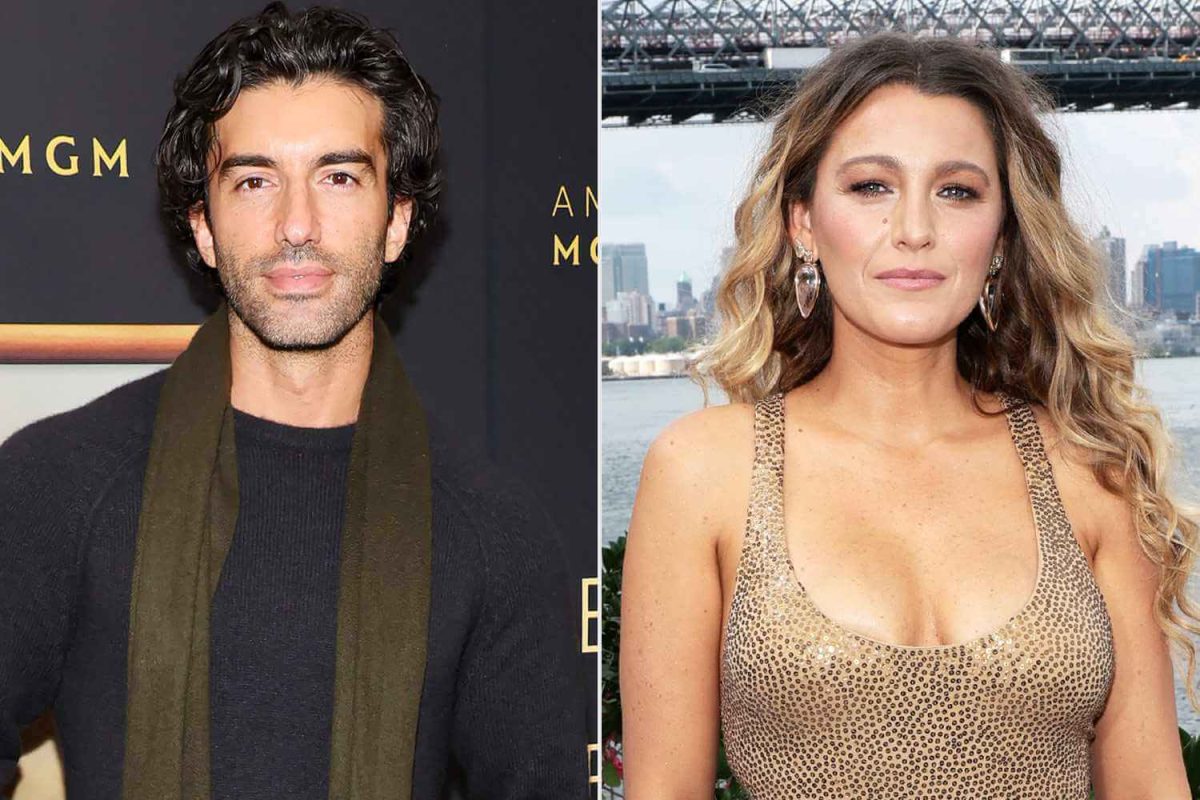
As the legal battle intensified, the court began to weigh in on the case. In June 2025, Judge Lewis J. Liman ruled in favor of Blake Lively, dismissing Justin Baldoni’s countersuit on the grounds that the claims of defamation and extortion lacked merit. The judge affirmed that Lively’s legal protections were valid and that her lawsuit could proceed. This ruling was seen as a significant victory for Lively, as it allowed her to continue pursuing her claims against Baldoni and his production company.
The dismissal of the countersuit put pressure on Baldoni’s legal team, who had hoped that the defamation and extortion claims would help them turn the tide in their favor. However, the ruling also highlighted the complexity of the case, as both parties seemed to have competing narratives that were difficult to reconcile. The decision to dismiss the countersuit did not, however, dismiss the original harassment claims, meaning the case would continue to unfold in court.
In July 2025, a new development in the case brought the issue of privacy to the forefront. Lively’s legal team filed a motion requesting that her deposition be conducted in a private location in Manhattan, away from public scrutiny. They cited safety concerns and privacy issues related to the high-profile nature of the case. This request was in response to Baldoni’s legal team, who had previously suggested holding the deposition at a public venue such as Madison Square Garden, where tickets could be sold for charity. The idea of turning a legal proceeding into a public spectacle was met with resistance from Lively’s team, and Judge Liman ruled in favor of the actress, allowing her to choose the location of her deposition.
This ruling reaffirmed the court’s commitment to protecting Lively’s privacy, and it made it clear that the legal battle would not be turned into a media circus. However, the continued media coverage of the case has led to increasing public interest in the details of the dispute, with both parties making public statements and responding to each other through various channels.
The Future: The Implications of the Trial and Its Industry Impact
As the legal battle moves closer to its trial phase, which is set for March 2026, the case has already had far-reaching implications within the entertainment industry. The involvement of high-profile figures like Ryan Reynolds and Taylor Swift, who have been drawn into the legal drama, has brought even more attention to the case. Reynolds, in particular, has been vocal in his defense of his wife, Blake Lively, with the couple becoming a focal point of media coverage. Swift, meanwhile, has been subpoenaed in connection with claims that Lively pressured her into publicly supporting her, though Swift’s legal team has dismissed the notion as baseless.
The trial could have significant implications for Hollywood and how it deals with allegations of harassment and abuse of power in the workplace. If Lively’s claims are upheld, it could set a new precedent for how cases of sexual harassment are handled in the film industry, especially when they involve powerful producers and actors. On the other hand, if Baldoni’s countersuit proves successful, it could lead to a reevaluation of how accusations are made and how they impact the reputations of those involved.
The ongoing legal battle is also shining a light on broader issues within the entertainment industry, such as workplace harassment, power imbalances, and the treatment of women in Hollywood. The case has raised difficult questions about accountability, especially when high-profile individuals are involved. As the trial approaches, many are watching closely to see how the court will address these issues and what the outcome will mean for future legal disputes in the entertainment industry.
Conclusion: The Ongoing Legal Struggle and Its Broader Impact
Blake Lively and Justin Baldoni’s legal battle is far from over, and as it continues to unfold, it remains a powerful reminder of the challenges that exist in the entertainment industry when it comes to harassment, retaliation, and defamation. While both parties continue to defend their positions in court and in public, the case is already sparking broader conversations about the treatment of women in Hollywood and the power dynamics that shape the industry.
As the trial draws nearer, the eyes of the public will remain fixed on the proceedings. The outcome of this legal struggle will not only affect the reputations of Lively and Baldoni but could also set a significant precedent for how similar cases are handled in the future. Whatever the result, this case has already left an indelible mark on the entertainment world, reminding us of the importance of accountability, fairness, and transparency in dealing with harassment allegations in Hollywood.
From Haotees
