
World News
AI and Artistry in The Brutalist: Brady Corbet Responds to the Controversy
Jan
The AI Debate: A Modern Challenge in Cinema
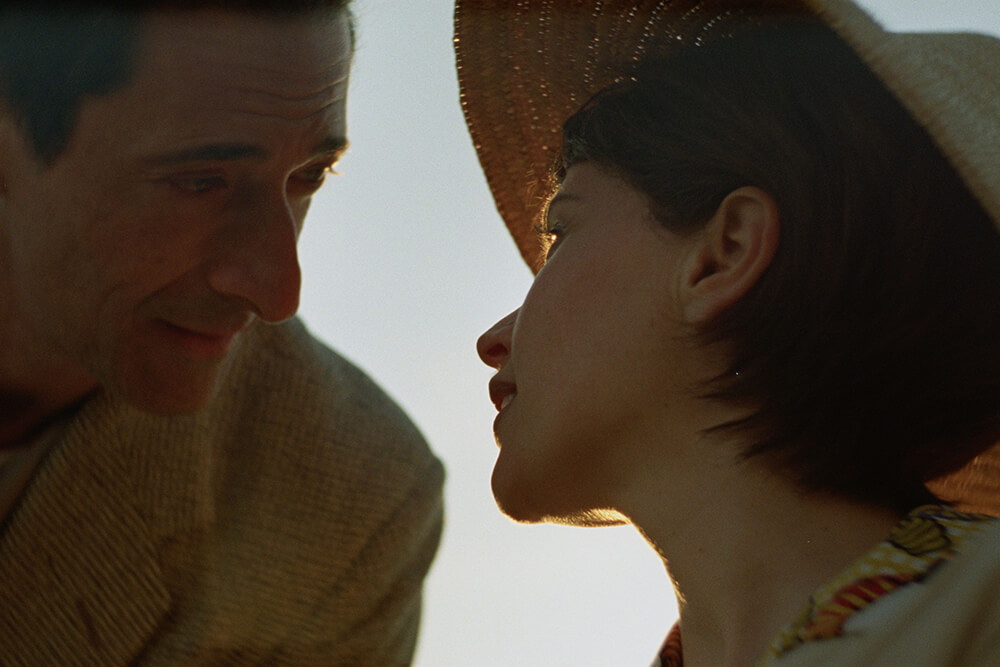
Artificial intelligence has become a focal point of debate in the entertainment industry, with its increasing role raising questions about authenticity, artistry, and ethics. The recent controversy surrounding Brady Corbet’s The Brutalist is a striking example of these tensions. Following remarks from the film’s editor about AI use in post-production, concerns were raised regarding the integrity of performances by stars Adrien Brody and Felicity Jones. Corbet quickly addressed the issue, emphasizing that AI was only used in a minimal, technical capacity to enhance the Hungarian-language dialogue while preserving the actors’ original performances.
Preserving Performance: Corbet’s Defense
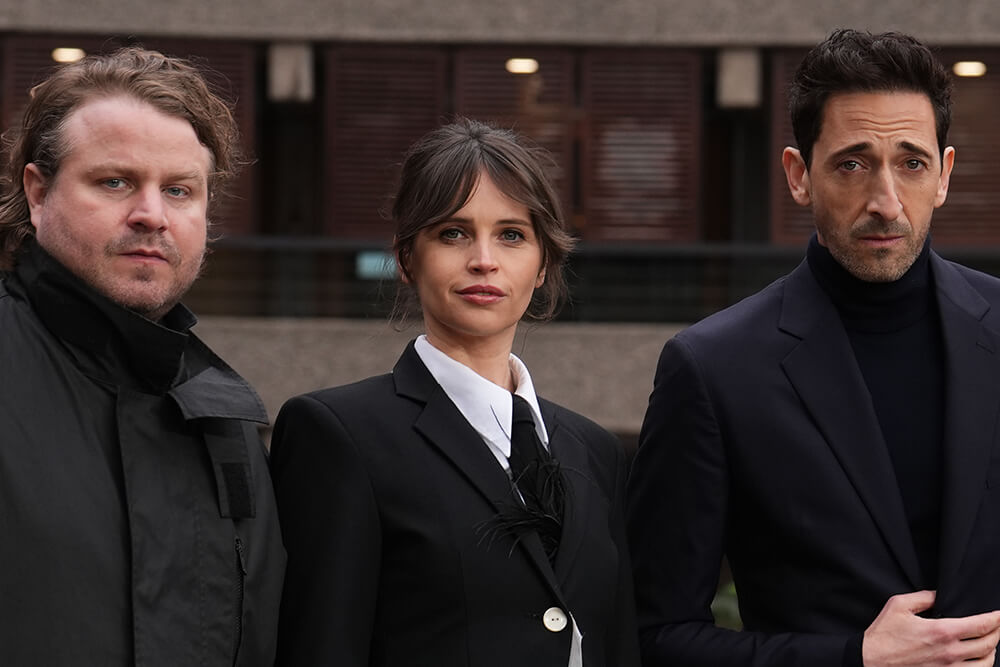
Brady Corbet clarified the limited role AI played in The Brutalist, dispelling notions that technology undermined the actors’ efforts. Both Brody and Jones underwent rigorous training with dialect coach Tanera Marshall to perfect their accents. Corbet explained that Respeecher, an innovative AI tool, was used exclusively to refine certain vowel and letter pronunciations in the Hungarian-language segments. “The aim was to preserve the authenticity of Adrien and Felicity’s performances in another language, not to replace or alter them,” Corbet stated, emphasizing the collaborative and human-driven nature of the film’s creation.
AI and the Industry: A Broader Conversation
The controversy surrounding The Brutalist is part of a larger conversation about AI’s role in film and television. In recent years, unions representing actors and writers have expressed concerns about the technology being used to cut costs, replace workers, or alter performances without consent. During the industry strikes of 2023, these issues became central to negotiations, highlighting the need for clear guidelines on AI use. Corbet’s case demonstrates the fine line between using AI as a supportive tool versus a replacement, sparking discussion about its ethical implications in preserving the integrity of artistic contributions.
Authenticity and Craft in The Brutalist
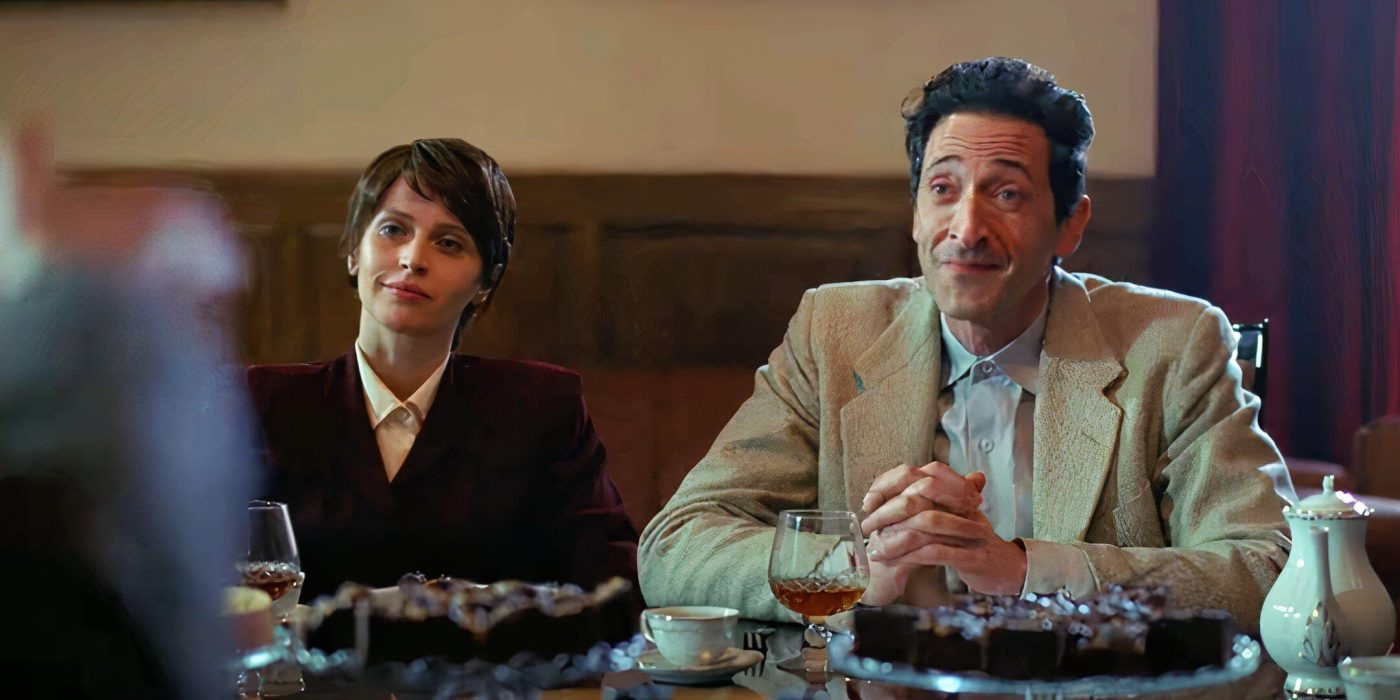
Beyond dialogue editing, Corbet reassured audiences that the film’s other elements remained grounded in traditional artistry. He highlighted that The Brutalist celebrates human creativity, with all visual elements, including architecture and design, hand-drawn by artists. The film, set in the aftermath of World War II, explores the emotional and cultural complexities of its characters, making authenticity a cornerstone of its storytelling. Corbet underscored that every aspect of the production was driven by human effort, ensuring the film’s message about human resilience and ingenuity remained intact.
The Balance of Innovation and Tradition
As The Brutalist continues to receive critical acclaim, the controversy has brought attention to the evolving relationship between technology and filmmaking. Corbet’s approach—using AI as a precise tool rather than a creative substitute—provides a potential roadmap for balancing innovation with respect for traditional artistry. While AI can enhance technical aspects, its use must align with the collaborative and emotional essence of cinema. Through his thoughtful response, Corbet has reminded audiences and creators alike that the heart of storytelling lies in human connection, a principle that should guide the future of film in an increasingly technological age.
From Haotees
