
World News
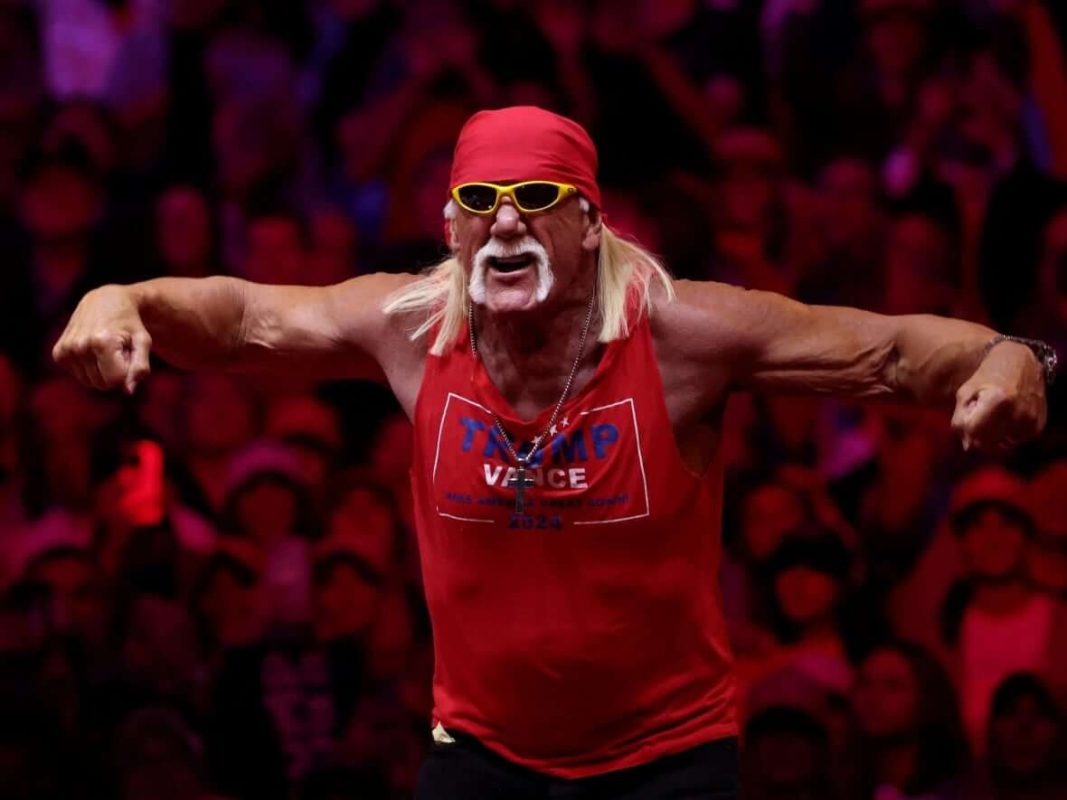
Hulk Hogan Through the Years: From Wrestling Icon to Cultural Phenomenon
Jul
The Rise of Hulk Hogan: The Birth of a Wrestling Legend
Hulk Hogan, born Terry Gene Bollea, became one of the most iconic figures in the world of professional wrestling, whose influence extended far beyond the squared circle. He is often credited with revolutionizing the industry in the 1980s and making professional wrestling a mainstream phenomenon. Hogan’s journey to stardom began in the late 1970s, but it was his partnership with the World Wrestling Federation (WWF, now WWE) in the early 1980s that truly catapulted him to worldwide fame.
Hogan’s larger-than-life persona, highlighted by his muscular build, signature mustache, and over-the-top charisma, made him a perfect fit for the burgeoning world of sports entertainment. He first gained widespread recognition as a villain in the WWF, but it was his turn as the all-American hero—embodying the ultimate good guy—that made him an enduring character. His catchphrases, most notably “Whatcha gonna do when Hulkamania runs wild on you?!” became a staple of pop culture, and his “Hulkamania” movement swept across the world.
In 1984, Hogan became the WWF World Heavyweight Champion and embarked on what would be one of the most successful runs in wrestling history. He not only dominated in the ring but also became a household name thanks to his appearances on television, film, and commercials. His combination of charisma, athleticism, and the ability to connect with fans turned him into a cross-cultural icon, making him the face of professional wrestling for an entire generation. Through this era, Hogan wasn’t just a wrestler—he became a global brand.
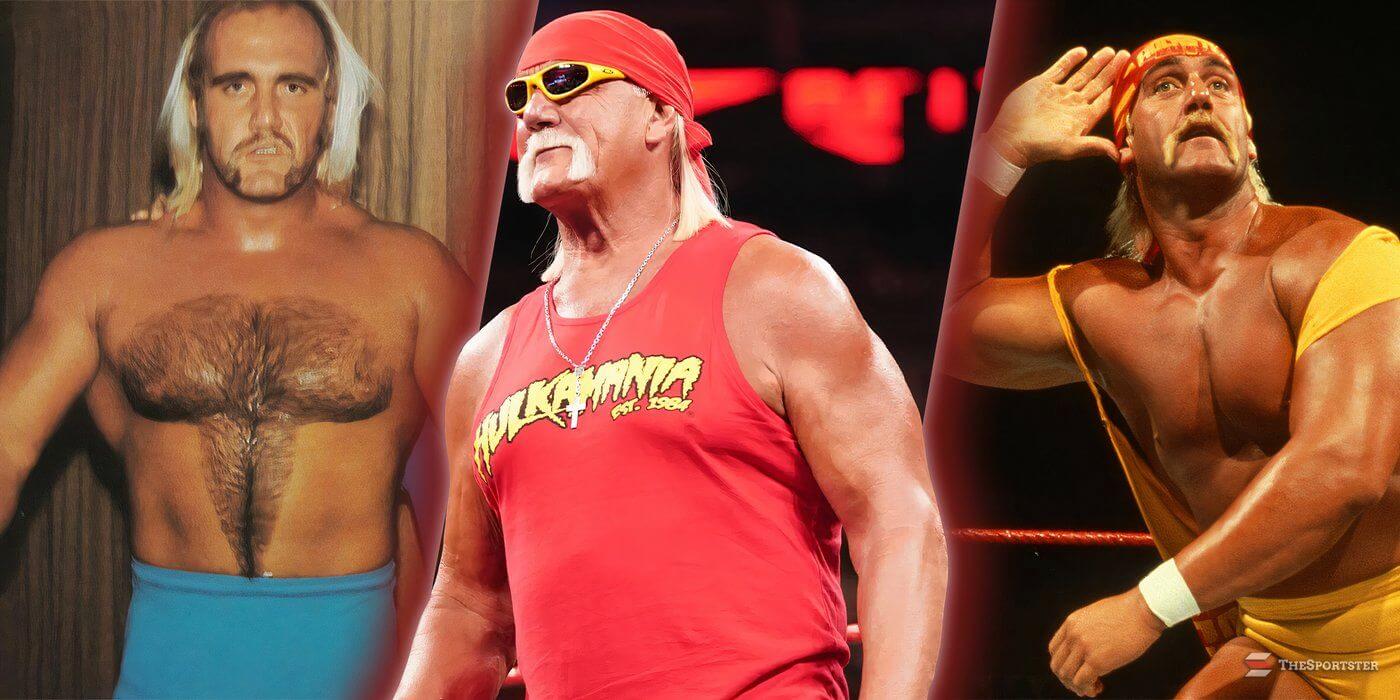
Hogan’s Impact on Wrestling and Pop Culture
Hulk Hogan’s impact on professional wrestling cannot be overstated. His entry into the WWF in the early 1980s coincided with a period when wrestling was beginning to transition into a more mainstream entertainment industry. Hogan, with his massive personality and heroic persona, was the perfect figurehead for this new era. His rivalry with the villainous “Rowdy” Roddy Piper helped define what would become one of wrestling’s most memorable periods.
The height of Hogan’s influence came with the first-ever WrestleMania in 1985. The event, which was initially a gamble for the WWF, quickly turned into an annual spectacle that would revolutionize the world of professional wrestling. Hogan headlined that inaugural WrestleMania against the “Nature Boy” Ric Flair, and the success of the event solidified Hogan as the top draw in the industry. WrestleMania would go on to become a cultural touchstone, with Hogan front and center as its shining star.
Hogan’s success in the ring was matched by his ventures outside of wrestling. He starred in several movies, most notably Rocky III (1982), where he played the villainous Thunderlips. His film career may not have rivaled that of Hollywood’s elite, but it helped cement his status as a pop culture icon. Additionally, Hogan’s appearances on television shows, including The A-Team and Saturday Night Live, expanded his reach beyond wrestling fans and helped him enter the homes of millions of Americans.
It wasn’t just his wrestling career that made Hogan a cultural phenomenon—his ability to bridge the gap between sports and entertainment made him a pioneer in professional wrestling, setting the stage for the likes of The Rock and John Cena, who would go on to similarly dominate both wrestling and Hollywood.
The NWO and Hogan’s Reinvention in the 1990s
While Hulk Hogan’s career peaked in the 1980s, it wasn’t without its challenges. By the early 1990s, Hogan’s star power began to wane. As the wrestling landscape began to shift, so did Hogan’s place in the industry. The rise of younger talent and changing audience preferences led to Hogan’s exit from the WWF in 1993, and he eventually found himself in the World Championship Wrestling (WCW), which had been established as a rival to the WWF.
In WCW, Hogan underwent a dramatic reinvention that would re-energize his career. In 1996, he joined the New World Order (NWO), a faction of wrestlers who played the role of invaders attempting to take over WCW. This marked a stark departure from his previous “good guy” persona. As the leader of the NWO, Hogan turned heel (the wrestling term for turning to the bad side), a move that shocked fans and revitalized his image.
The NWO angle helped launch WCW into a ratings war with WWF, and Hogan’s transformation from the all-American hero to the villainous Hollywood Hogan was a key factor in the company’s success during the Monday Night Wars. The NWO, with Hogan at its forefront, became one of the most popular and talked-about storylines in wrestling history. Hogan’s decision to turn heel also reflected the changing nature of professional wrestling in the 1990s, as fans began to embrace more complex, anti-hero characters.
Hogan’s reinvention as the NWO’s leader rejuvenated his career, making him relevant again in a new era of wrestling. The change in character also helped to show Hogan’s versatility as a performer, proving that he wasn’t just the face of traditional wrestling but could evolve and thrive in more modern storylines and characters. It was a bold move, but one that solidified Hogan’s place as not just a wrestling icon, but a key player in the evolution of professional wrestling.
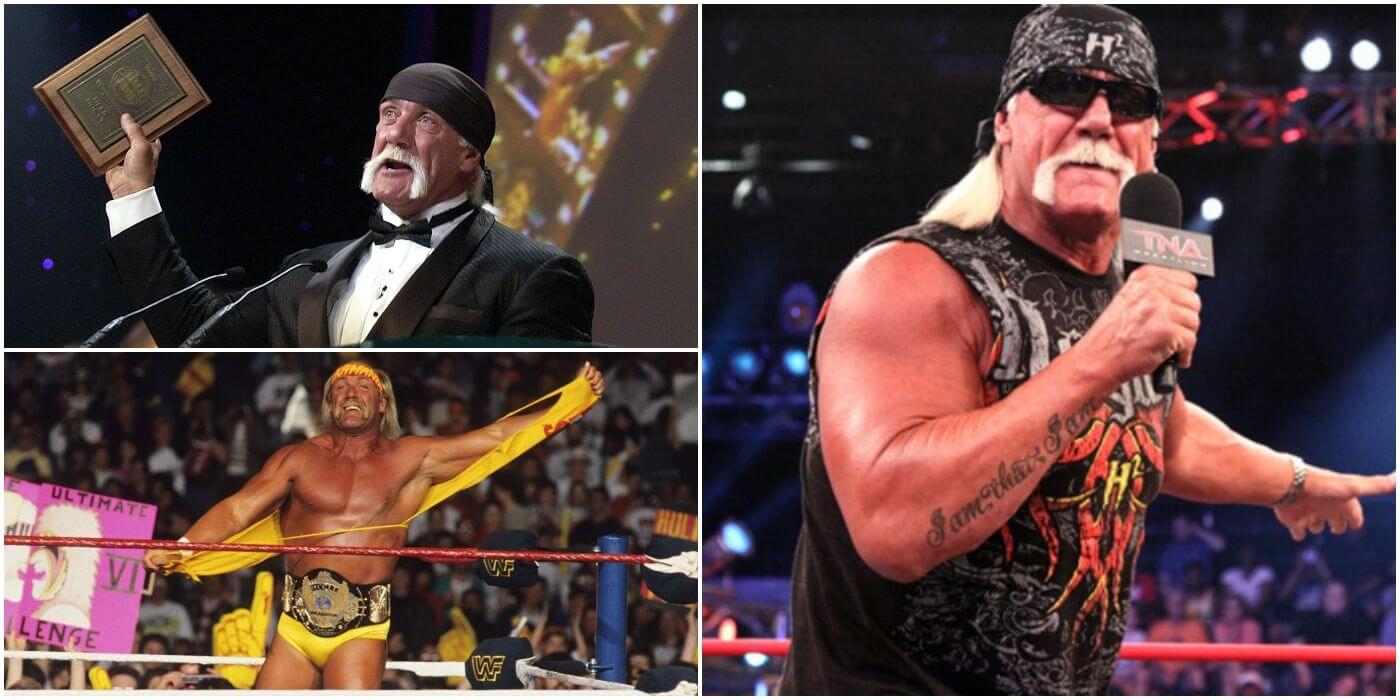
Hogan’s Personal Struggles and Comebacks
While Hulk Hogan’s career in the ring was undeniably successful, his personal life was often marked by controversy and struggle. As a public figure, Hogan faced challenges both inside and outside the ring, including legal battles, personal conflicts, and scrutiny over his actions in the media. One of the most notable struggles came in the early 2000s with the release of a sex tape, which was followed by a legal battle that garnered widespread media attention. This event overshadowed much of his personal life and caused a rift between him and some of his fans.
In addition to these public issues, Hogan’s personal relationships, including his divorce from his wife Linda Hogan, were heavily covered in the media. Hogan’s strained relationship with his children, particularly his son Nick, also became a point of public interest during the 2000s. Despite these challenges, Hogan continued to be a part of the wrestling world, making sporadic appearances in WWE and maintaining a connection to the industry he helped shape.
Hogan’s most notable personal comeback, however, came in 2005 when he returned to WWE for the much-anticipated match against his former rival, Vince McMahon, at WrestleMania 21. This match, which was built as the culmination of their decades-long rivalry, proved that Hogan still had the star power and popularity to sell out arenas. Despite his personal difficulties, Hogan’s return to the ring was proof of his enduring relevance in the world of professional wrestling.
Hogan’s later years in the industry also saw him take on more mentor-like roles, helping guide younger wrestlers and contributing to the business side of the industry. His ability to reinvent himself both as a wrestler and as a public figure demonstrated the resilience that has characterized much of his career. Hogan’s comeback story is a testament to his enduring influence on the industry, regardless of the personal struggles he faced along the way.
The Legacy of Hulk Hogan: Wrestling Icon and Cultural Mainstay
Today, Hulk Hogan remains one of the most recognizable figures in the world of professional wrestling. His legacy transcends his wrestling career; he is a cultural icon whose influence can be seen in everything from film and television to the modern wrestling business itself. Hogan’s contributions to wrestling are immeasurable, as he helped build the foundation for WWE and turn it into a global entertainment empire. Without Hogan, it’s unlikely that the WWE, and by extension, the wrestling business, would have reached the heights of mainstream success that it enjoys today.
Hogan’s influence continues to be felt in wrestling today, as modern wrestlers often look to his career for inspiration. From his larger-than-life persona to his ability to connect with audiences, Hogan set the standard for what it means to be a wrestling superstar. The cultural relevance of Hulkamania has only grown over the years, as younger generations of fans discover the legacy of his career through documentaries, matches, and interviews.
While Hogan’s time as a full-time wrestler has passed, his place in wrestling history remains cemented. Whether through his occasional appearances in WWE or his role as a mentor to the next generation of wrestlers, Hogan’s impact on the industry is undeniable. His legacy as one of the most influential figures in wrestling history will endure for decades to come, ensuring that his name will always be synonymous with the golden era of professional wrestling.
Conclusion: Hulk Hogan’s Unmatched Legacy
Hulk Hogan’s journey from an up-and-coming wrestler to a global superstar is a remarkable story of success, reinvention, and resilience. Through his work in WWE, his cultural impact outside of wrestling, and his ability to navigate personal struggles and career reinventions, Hogan has proven time and again that he is more than just a wrestler—he is an enduring symbol of pop culture. Hogan’s legacy is not only defined by his achievements in the ring but by his contributions to the broader entertainment world.
As the years pass, Hogan’s influence on wrestling, entertainment, and even personal branding continues to be felt. His ability to adapt, reinvent himself, and remain a key figure in the wrestling business shows that his legacy will remain strong for generations to come. Whether it’s through his time as a hero in the 1980s, his reinvention in the 1990s, or his enduring presence as a cultural icon, Hulk Hogan’s legacy is a testament to his extraordinary contributions to the world of professional wrestling and beyond.
From Haotees
