
World News
Met Gala 2025: Celebrating Black Dandyism Through Fashion’s Most Inventive Looks
May
Embracing the Theme: “Superfine: Tailoring Black Style”
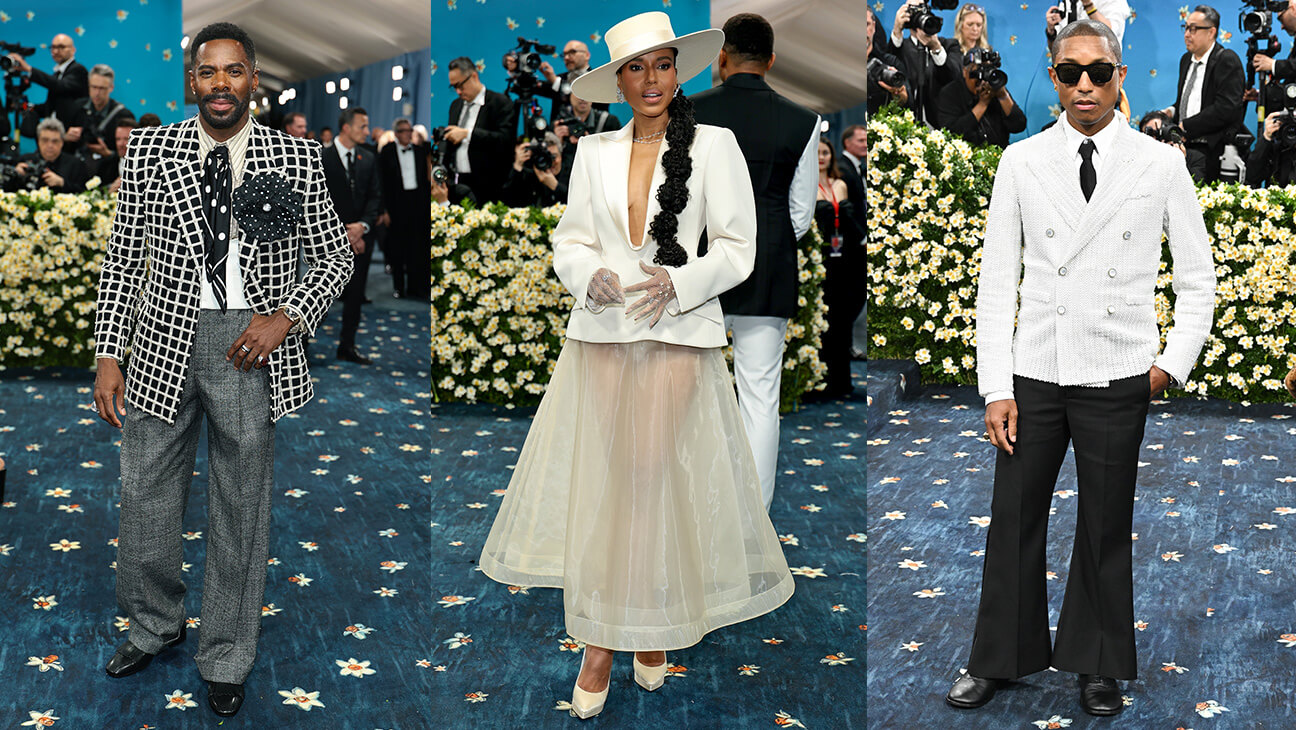
The 2025 Met Gala, held at New York City’s Metropolitan Museum of Art, radiated elegance, creativity, and cultural depth as it explored the theme “Superfine: Tailoring Black Style.” Inspired by the Costume Institute’s new exhibition, the gala honored the legacy of Black dandyism—a form of fashion that represents rebellion, artistry, and self-expression throughout generations.
The event’s co-chairs—Colman Domingo, Lewis Hamilton, Pharrell Williams, and A$AP Rocky—brought vision and representation to the forefront. Each brought a powerful interpretation of the theme. Domingo’s royal blue Valentino cape paid tribute to the late fashion icon André Leon Talley, while Hamilton stunned in a white suit accented with cowrie shells, a meaningful nod to African heritage. Their looks reminded the world that fashion can serve as a powerful channel for cultural storytelling and personal homage.
The evening’s aesthetic was anchored in meticulous tailoring, bold silhouettes, and deeply rooted symbolism. This year’s Met Gala served not just as a fashion event, but as a call to recognize and respect the historical influence of Black style—past, present, and future.
Zendaya and Diana Ross: Icons of the Evening
Two standout moments of the night came from none other than Zendaya and Diana Ross—women whose cultural influence spans decades and whose fashion choices made headlines.
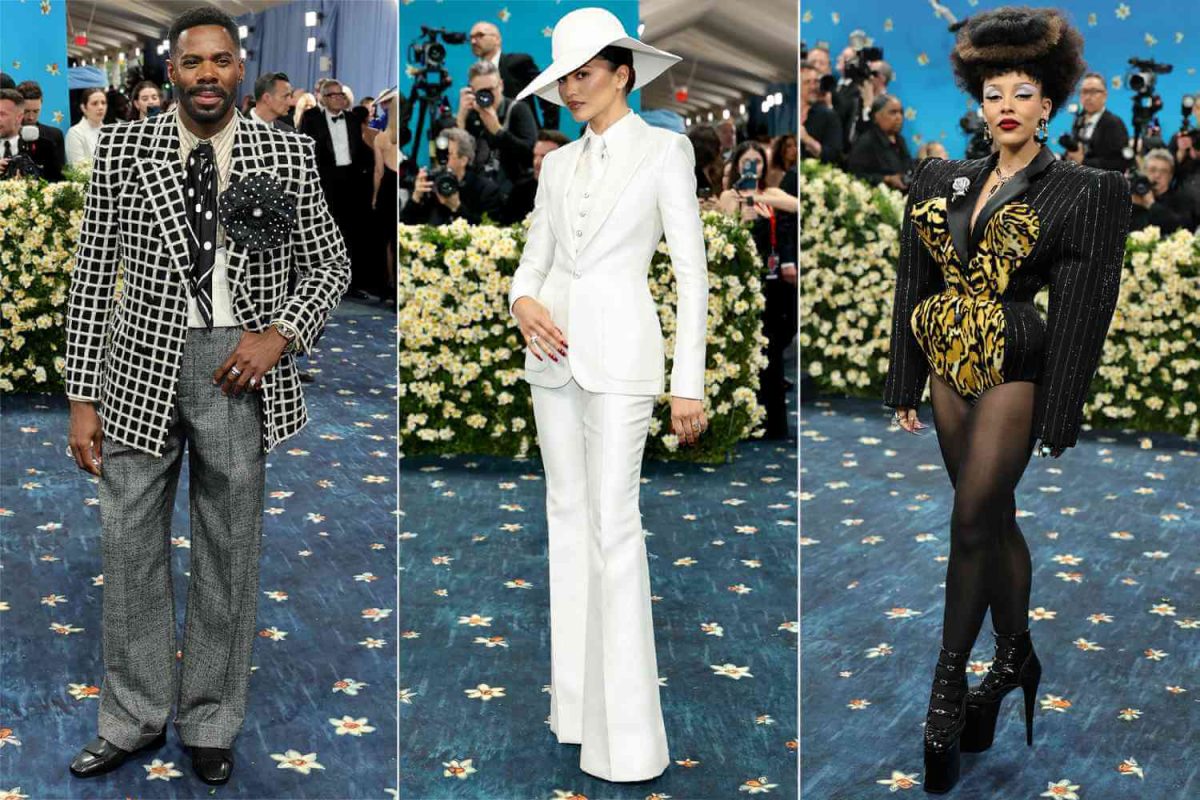
Zendaya arrived in a custom menswear-inspired Louis Vuitton suit that effortlessly fused traditional tailoring with modern glamour. The sharp lines and exaggerated proportions echoed the zoot suit era, a style associated with resistance and cultural identity in 1940s Black and Latino communities. Her look was a seamless blend of historical tribute and youthful edge, reflecting her uncanny ability to use fashion as both art and message.
Meanwhile, the legendary Diana Ross delivered one of the evening’s most emotional highlights. Draped in a silver, sparkling gown with an expansive 18-foot train, Ross captivated the red carpet with every step. Her feathered hat added old-Hollywood drama, but it was the embroidery on her train—bearing the names of her children and grandchildren—that spoke volumes. It was not just a fashion statement but a declaration of legacy, love, and the enduring power of family across generations.
Together, these two icons brought elegance and emotion to the Met steps, turning their appearances into moments of cultural resonance and visual poetry.
Avant-Garde Statements: André 3000 and Doja Cat
While many attendees adhered to the night’s elegant tailoring motif, a few pushed the boundaries of the theme into avant-garde territory, with André 3000 and Doja Cat leading the charge.
André 3000, known for his boundary-breaking fashion choices, wore an actual piano strapped to his back—a dramatic accessory that coincided with the surprise release of his new album, 7 Piano Sketches. His Burberry jumpsuit, paired with a trash bag slung over his shoulder, was as thought-provoking as it was unconventional. André’s outfit wasn’t just clothing; it was a living metaphor for the weight of artistic expression, history, and the soulful rhythm of Black musical traditions.
Doja Cat embraced the theme with a zoot suit-inspired look, but reimagined it through a bold, 1980s lens. Her gender-fluid silhouette, exaggerated shoulder pads, and pinstripe pattern transformed her into a fashion time traveler. It was a nod to both past and future—an example of how history can be reinterpreted through a fresh, fearless lens.
Both stars exemplified the idea that fashion, at its best, is performance. Their appearances weren’t just looks—they were full-on narratives, each rooted in individuality and cultural awareness.
Celebrating Legacy: Sydney Sweeney and Janelle Monáe
While the Met Gala theme focused heavily on Black cultural heritage, its reach extended into broader explorations of legacy and homage. This was evident in looks from Sydney Sweeney and Janelle Monáe, each of whom delivered compelling fashion stories rooted in identity and inspiration.
Sydney Sweeney honored the golden age of cinema by wearing a sparkling black gown inspired by Kim Novak’s dress from the 1967 film The Legend of Lylah Clare. With Sweeney set to portray Novak in an upcoming biopic, the choice was both timely and intentional. Her look bridged Hollywood’s past with its present, reminding us of the power of costume to transcend eras and retell stories.
On the other hand, Janelle Monáe delivered a powerful message with a layered pinstriped suit inspired by Cubist art. Her look embodied the concept of time-traveling dandyism—merging artistic abstraction with structured menswear. Monáe’s fashion has always defied categories, and this ensemble was no exception. It captured the spirit of reinvention, a trait synonymous with Black cultural innovation across decades.
Both women used the red carpet not only to dazzle but to educate, contextualize, and provoke thought—demonstrating how fashion can function as a living archive of cultural memory.
A Night of Cultural Resonance and Fashion Innovation
As the night concluded, the 2025 Met Gala left a lasting impression—not just through jaw-dropping garments but through its heartfelt tribute to history, heritage, and innovation.
Celebrities like Lupita Nyong’o, Jeremy O. Harris, and Michaela Coel contributed deeply personal interpretations of the theme. Nyong’o’s suit infused femininity into traditional menswear with delicate floral appliqués, while Harris’s look was an academic love letter to post-colonial Black fashion, complete with layered textiles and historical references. Each participant used the red carpet as a canvas to paint portraits of identity, resistance, and pride.
More than ever, the event spotlighted the contributions of Black designers and creatives, many of whom worked tirelessly behind the scenes to bring these visions to life. From meticulously hand-stitched garments to the smallest symbolic embellishments, their work brought integrity and authenticity to the evening.
The 2025 Met Gala proved that fashion is more than fabric and trends—it’s a language, a tool, a weapon, and a celebration. By highlighting Black dandyism and tailoring as acts of resilience and beauty, this year’s event carved out a new standard for red carpet storytelling—one rooted not only in spectacle but in soul.
From Haotees
