
World News
Unveiling Abby’s Backstory Early: A New Direction for HBO’s The Last of Us

Mar
Introduction: A Significant Shift in Narrative Approach
The HBO adaptation of The Last of Us has captured the hearts of audiences, immersing them in the world of Joel, Ellie, and the post-apocalyptic landscape. As the second season approaches, fans are eagerly awaiting the continuation of the story, particularly the introduction of Abby, a pivotal character from The Last of Us Part II. In the original game, Abby’s backstory is revealed later in the narrative, creating a dramatic twist for players. However, HBO’s version is taking a different approach by giving viewers a glimpse into Abby’s history much earlier. This decision, co-creator Neil Druckmann explains, comes from both narrative and practical considerations, offering a unique experience for television audiences.

Why the Change? The Narrative Dynamics of The Last of Us Game
In the video game, Abby’s backstory is gradually uncovered as players experience the events through Ellie’s eyes. This delayed revelation builds suspense, allowing players to form a complex relationship with Abby based on their experiences, actions, and the environment in which she exists. The twist comes when players take control of Abby herself, seeing her side of the story. However, for the television adaptation, this method presents a challenge. As viewers are not actively involved in the storyline like players, it becomes difficult to maintain the same sense of mystery. Druckmann and Craig Mazin, the creators of the series, felt that withholding Abby’s backstory until later would result in an uneven viewing experience, potentially frustrating the audience. To avoid this, they opted to reveal Abby’s context much earlier, providing a more cohesive narrative.
A Different Kind of Engagement: The Empathy Factor
One of the critical aspects of Abby’s character in The Last of Us Part II is the empathy players develop for her. Through gameplay, players are placed in Abby’s shoes, experiencing her challenges, emotions, and survival instincts first-hand. This direct involvement creates a unique bond between the player and Abby, making her actions in the story more impactful. In contrast, the television format doesn’t allow for the same immersive gameplay experience. To compensate, the creators decided to give viewers an early understanding of Abby’s motivations and past. Druckmann explains that this shift was necessary to allow the audience to empathize with Abby from the start, avoiding the jarring effect of suddenly shifting to her perspective without proper context.
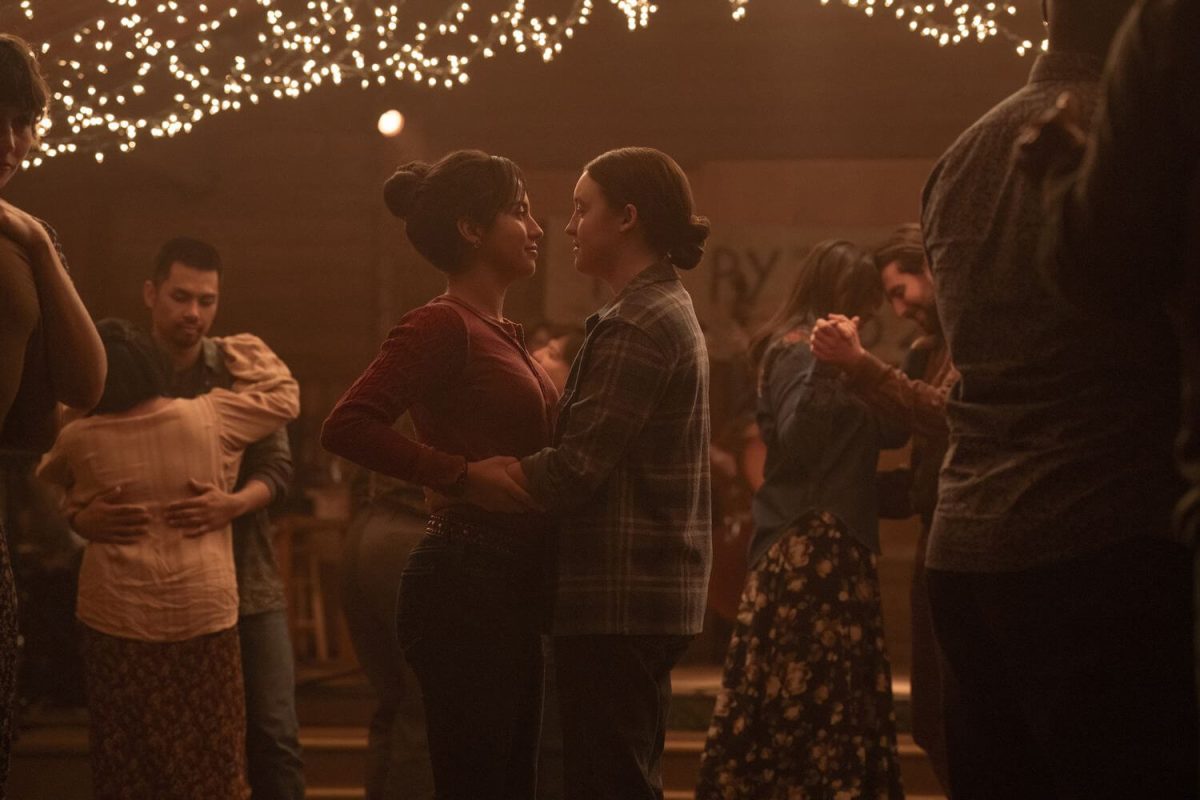
The Timing of the Revelation: Avoiding Spoilers and Ensuring Cohesion
Another reason for moving up Abby’s backstory is the practical consideration of pacing. In the original game, the timeline of Abby’s introduction and her eventual backstory reveal works well for an interactive medium, where players control the pacing of the narrative. However, in the linear format of a TV series, revealing too much too late would disrupt the flow and potentially spoil key plot points between seasons. Druckmann admits that had the story followed the same structure as the game, viewers might have encountered spoilers between seasons, diminishing the impact of the twist. By introducing Abby’s backstory earlier, the creators ensure that the story remains fresh and engaging without the risk of key details leaking prematurely.
The Impact on Character Development and Viewer Experience
By altering the timeline of Abby’s backstory, HBO’s The Last of Us offers a unique opportunity to explore character development in a new way. Viewers will be able to form a deeper connection with Abby earlier in the season, understanding her motivations and struggles from a different perspective. This shift allows for a more balanced and nuanced portrayal of Abby’s character, setting the stage for a more emotionally satisfying narrative. Additionally, the introduction of Abby’s backstory early on will help to enrich the overarching themes of survival, revenge, and morality that are central to the The Last of Us series. Fans of the game will likely appreciate the fresh take on Abby’s character, while newcomers will be able to dive into the story with a clearer understanding of the stakes involved.
Conclusion: Embracing Change for a Richer Storytelling Experience
The decision to reveal Abby’s backstory earlier in HBO’s The Last of Us reflects a thoughtful approach to adapting a complex narrative for television. While the game’s gradual reveal created an intense emotional journey for players, the show’s early revelation allows for greater audience engagement and prevents potential spoilers from affecting the plot. This change highlights the creators’ understanding of the differences between the two mediums and their commitment to delivering a compelling, cohesive story. As fans prepare for the second season, the early introduction of Abby’s character promises to deepen the emotional resonance of the show, making it a must-watch for both longtime fans and new viewers alike.
From Haotees
